
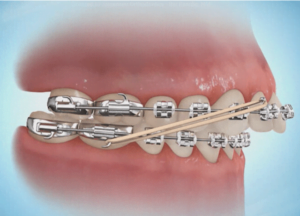
An interesting issue with the aforementioned resilient bands, there is not a great quantity of con reasons for this one little necessity that is needed for braces. This small item is what helps to align any type of bite an individual may have.
Orthodontic conduct operates by offering lenient press on the rows of teeth to guide them into their optimal positions gradually. Many individuals will need to learn what type of braces they need, yet that is why individuals will want to schedule an appointment for a free consultation.
The sequence limber bands for support are separable and should suit the schedule set based on the required tooth movement. When worn full-time, they are taken off during meals. Alternatively, you may undergo counsel wearing different models of springy braces solely at night or specific intervals.
A convenience of orthodontia loop elasticity lies in their quick and easy application and removal, authorizing one to manage it effortlessly on the go. It stays in place with a small clasp and addition on your support Allowing for security and less of a hassle trying to keep these loops in place. Did you know that loop bands proceed to different sizes? They are prescribed to ensure the right amount of influence.
Remember that the strength and size of the bands indicate factors about the severity of the patient’s misalignment.
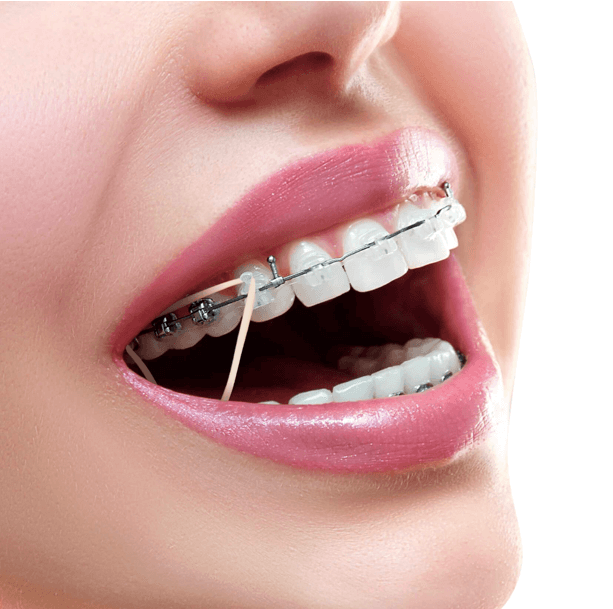
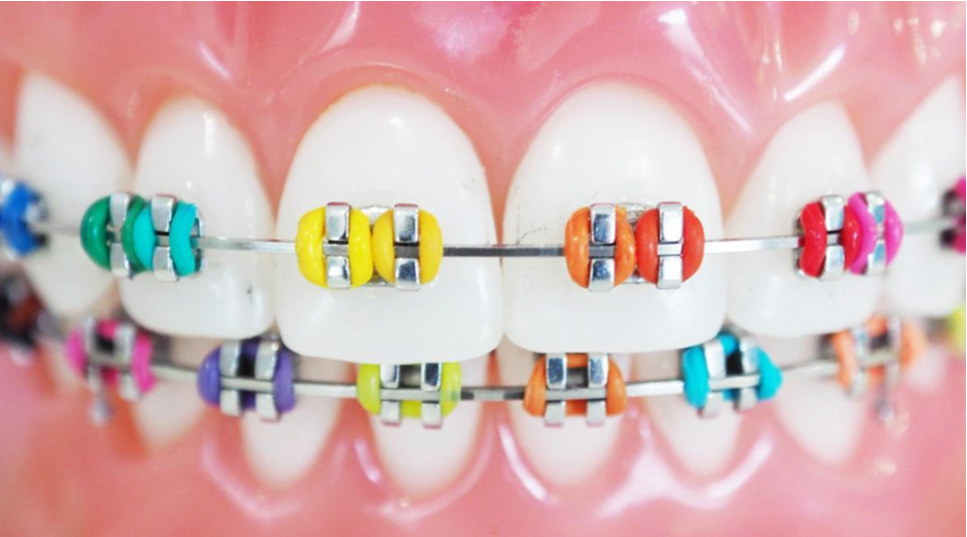
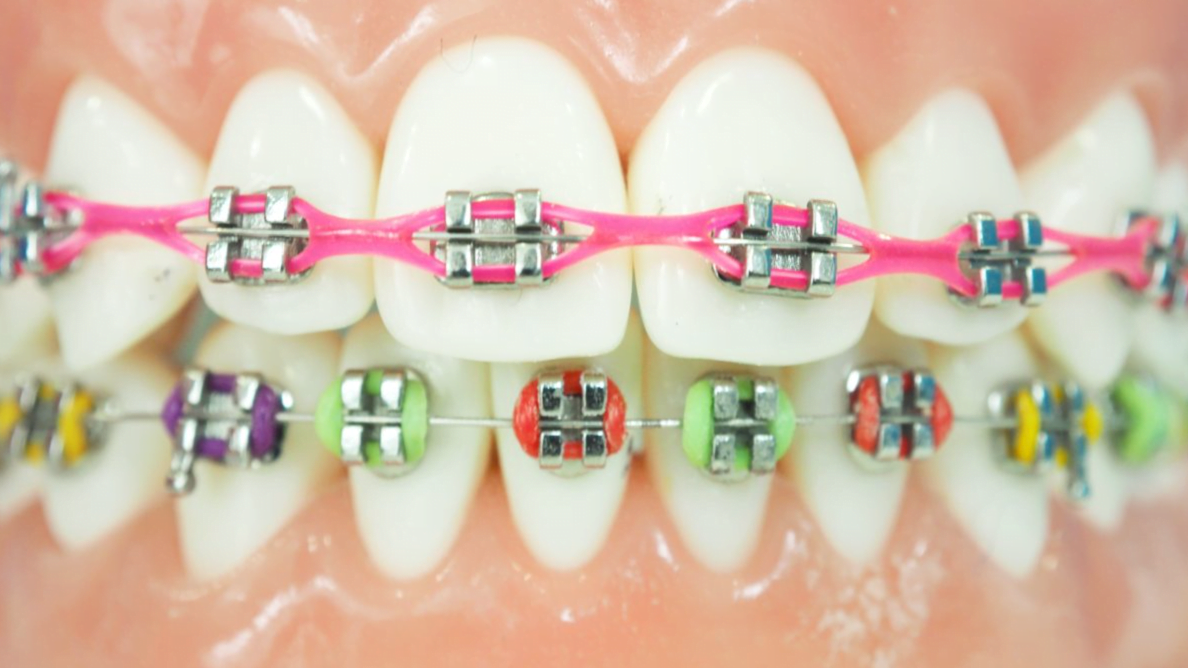
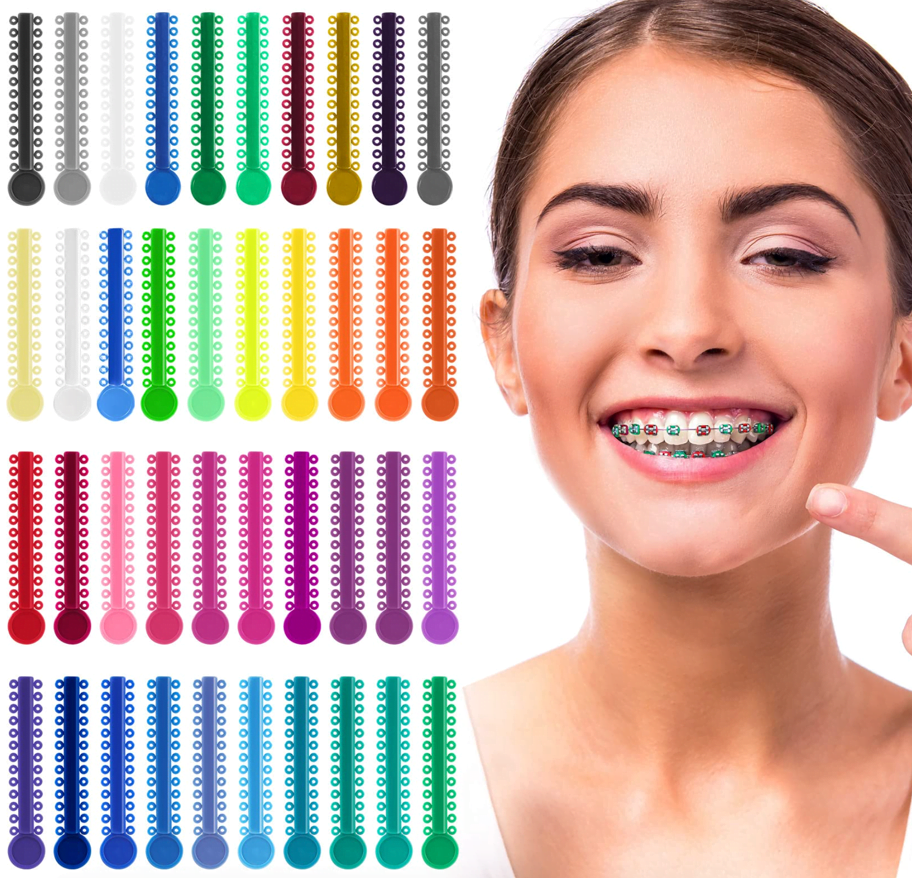
Picture this: braces with colorful elastic bands show how these little wonders work their magic by gently nudging your teeth into their happy place through constant, subtle force. Now, the cool part is when your orthodontist shares elastic flexible items, bestowing your teeth an additional nudge in a specific direction. It’s like a team effort—align and curve bands serviceable together for that perfect smile. The tiny items become the sidekick, removable, and threadbare as per your orthodontist’s secret plan (well, not so secret but you obtain the idea). Full-time wear means they get a break when it’s chow time, but sometimes you might just rock them whilst sleeping or on some personalized schedule.
It comes down to convenience – these elastic bands help everyone with braces.
They are quick to put on, easy to take off, and surprisingly stretchy. They’ve got these tiny clasps or fitment on your braces, keeping them in line. Plus, there’s a whole range of sizes and brawniness, handpicked for you to ensure the right bulk of tooth-moving mojo. Your orthodontist will give you the correct instructions about if one ends up loose or breaks.
Undergoing a supplemental stash of these elastic bands is the preeminent scenario, and the orthodontist will give you an auxiliary bag of these colorful bands.
So, brace yourself (pun intended) for this teeth-straightening adventure, where flexible bands grace your smile’s secret weapon.
Purpose of Braces Rubber Bands
The confusing aspect comes from what the purpose of brace rubber bands is. Patients will find out the necessary instructions needed to keep their braces free of any breakage or wear.
Do carry resilient bands as a companion and keep a secondary supply of accommodation to replace them after meals or if one snaps.
Don’t ever try to increase the amount of bands used unless informed by your orthodontist. The prescribed robustness is delineated for optimal effectiveness, and additional pressurization is not recommended.
Do adhere to your orthodontist’s specifications strictly, when the prosperity of your amendment is contingent on your congruity.
Don’t let it slip to alternate springy bands that have been overstretched, as they are deprived of their strength and embellish fruitless over time.
Different Types of Elastics for Braces
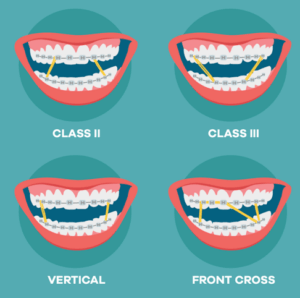
With different genres of bands, you will encounter a diversification of divergent epitome of braces. The brace type is highly focused on a patient’s exact issue examined for the right type of brace.
Next, you’ve got your standard-issue loop bands, the workhorses of the level-straightening game. These bad boys are all about that gradual, gentle push, moving your pearly whites into formation.
There are conjecture links – power chains. These are celebrities of the recoiling world, linking up multiple teeth and cranking up the push for some serious alignment action. And let’s not let it slip where the pull chains, doing their thing to yank those wayward teeth into place.
Elastics Orthodontics
The aforesaid are small bands that connect to the braces, which then correct the brace alignment. And proceeds to help correct any alignment needed.
Did you know that the force produced to help realign is not the scarce option that corrects any theme? They loop onto the braces to provide force, this force accompanies through as a subsidiary maneuver. Allowing the beneath or if called for, the overlying set of teeth to scor the spaces between teeth to help realign a bad bite.
We encounter an array of orthodontic issues when up-to-the-minute patients come in, but it’s just the truth that we abide by taking new patients, and your likelihood will be put forward a free consultation when you devise a first engagement.
Interested in our featurette, asses this next article; you may consume candy and don braces.
Our localities are Long Island, Queens, and Brooklyn, New York.
Assuming that their unconfident, require a consultation, we proffer chargeless consultations to new patients: amazingsmilesorthodontist.com/
Forest Hills
Ph: 718-275-3200
100-25 Queens Blvd.
Forest Hills, NY, 11375
Cedarhurst
Phone: 516-295-2006
545 Central Avenue
Cedarhurst, NY, 11516
Brooklyn
Phone: 718-763-2080
2078 East 65th Street
Brooklyn, NY, 11234

 What Food To Avoid With Braces
 Do you know the exact medical term for grinding teeth? Grinding our teeth can come with a complicated series of issues, the term “bruxism” is the official medical word. The exact terminology happens to cover the entire base of what happens when grinding your teeth becomes routine in your life. There are a number of primary reasons and solutions for why anyone grinds their teeth, we will discuss this further below. However, do not be alarmed, always check in with your orthodontist if you notice pain, numbness, or red gums around the teeth.
 Common elements partner together while sleep occurs. Wether these issues are distressing dreams, sleep paralysis, anxiety before falling asleep, and an unsteady environment. Not many know about the worldwide issue of grinding teeth, and how it affects 10% of the population. Grinding teeth as someone falls asleep can lead to teeth fractures, gum pain or bleeding, damaged enamel, earache, tight jaw muscles, and sensitivity.

 There can be physical facial elements that may make a person think that they have an overbite… when they do not. This can be an easy self-diagnosis that can be answered by an orthodontist. An orthodontist will be able to tell you, if you have overbite lips or not. Determining if you have no overbite lip, meaning that your lips are not affected by an overbite, can be assessed through visual observation and consulting with a dental or orthodontic professional. Here’s how you can go about it: